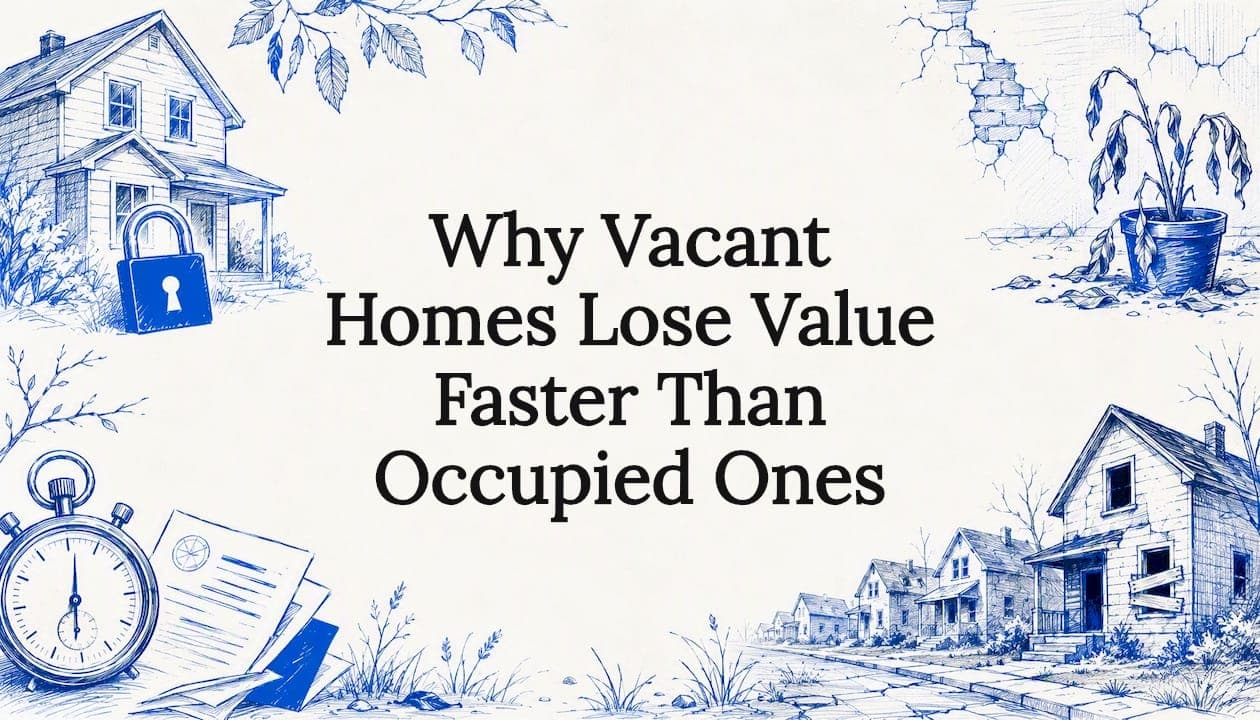
An empty house loses value faster because three forces hit it at once: carrying costs that never stop, physical damage that goes unnoticed until it’s expensive, and a market that quietly penalizes anything that looks abandoned. Redfin’s analysis found vacant homes sold for an average of $11,306 less than occupied comparables and sat on the market six days longer. Baltimore alone spends roughly $100 million a year managing the fallout from vacant properties, and one distressed home within 500 feet of yours can knock 1 to 2.7 percent off your own sale price.
The practical takeaway: if a home is going to sit empty for more than a few months, you need a plan. Either you actively manage the carrying costs and deterioration, or you move toward a fast, as-is sale before the losses compound.
Key Takeaways
Vacancy accelerates home value loss by combining ongoing carrying costs, unchecked physical deterioration, and buyer-side market discounts that together outpace typical monthly appreciation.
| Point | Details |
|---|---|
| Carrying costs never pause | Mortgage, taxes, insurance, and utilities accrue monthly with no offsetting income while a home sits empty. |
| Damage compounds with time | Minor issues at three months become structural or mechanical failures by the 12 to 36 month mark. |
| Buyers discount vacant listings | Redfin found a $11,306 average national discount and six extra days on market for vacant homes. |
| Neighborhood spillover is real | One distressed property within 500 feet can cut nearby sale prices by 1 to 2.7 percent. |
| Fast as-is sale limits exposure | Housegoodbye connects Michigan owners with competing cash offers and closings in as few as seven days. |
This article is general information, not a substitute for advice from a qualified financial advisor. Consult a qualified financial professional about your own circumstances before acting on anything here.
Table of Contents
- Ongoing Carrying Costs That Drain Value While a Property Sits Empty
- How Neglect and Lack of Daily Oversight Accelerate Physical Damage
- Why Vacant Homes Sell for Less and Take Longer to Sell
- Security Risks, Code Enforcement, and Municipal Costs That Compound Value Loss
- What the Evidence Quantifies: Price Discounts, Spillover, and Municipal Costs
- Practical Checklist: What Owners Can Do Now to Slow or Stop Value Loss
- If You Need to Avoid Further Loss Quickly: An As-Is Cash Sale Option
- Sources
- FAQ
Ongoing Carrying Costs That Drain Value While a Property Sits Empty
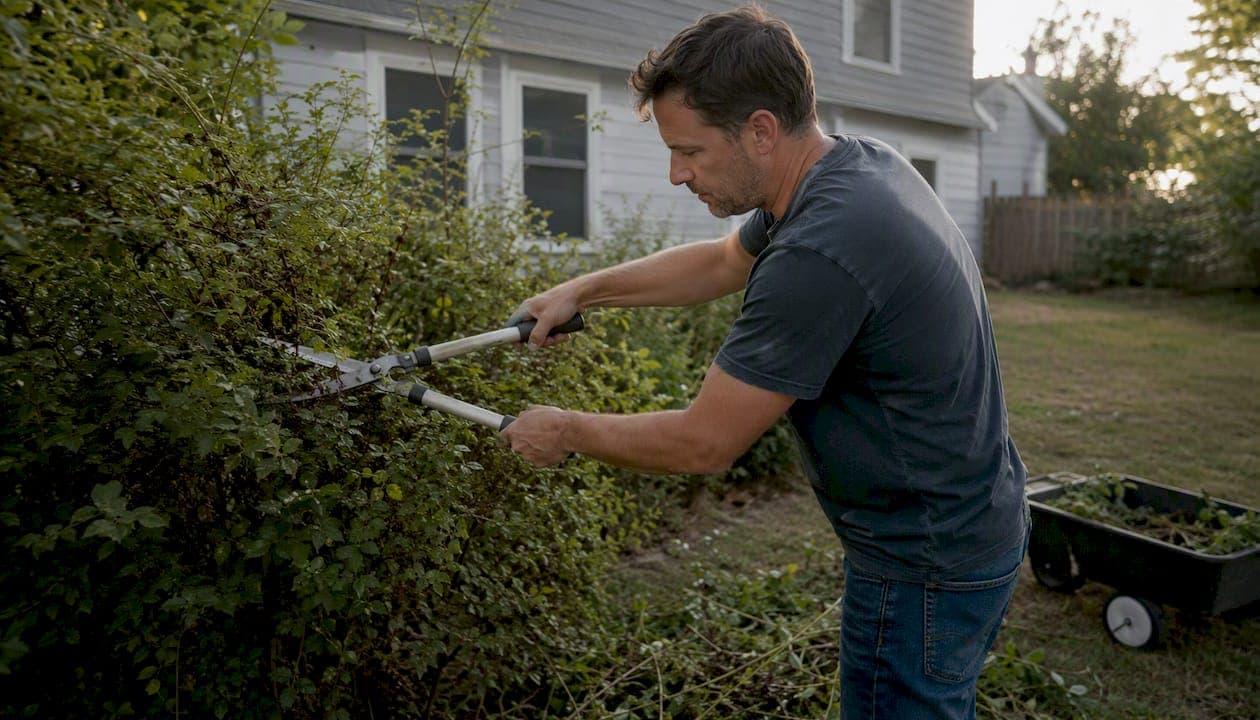
Every month a house sits vacant, money leaves your pocket with nothing coming back. Mortgage interest keeps accruing, property taxes stay due on the same schedule, and vacancy-rated insurance policies typically cost more than standard owner-occupied coverage because insurers know empty homes carry higher risk of loss. Add HOA dues, utilities kept on just to prevent frozen pipes, security monitoring, and someone paid to mow the lawn or clear the driveway, and you’re looking at a real monthly bill with zero offsetting income.
Here’s the math that matters: home appreciation nationally tends to run in the low single digits annually, which works out to well under 1% a month in most markets. If your carrying costs exceed what the property is likely to gain in value that same month, you’re not holding an asset. You’re funding a slow leak.
Pro Tip: Add up your total monthly carrying cost, then divide your area’s typical annual appreciation rate by 12. If carry costs beat that number, every month of vacancy is a net loss, not a waiting game.
How Neglect and Lack of Daily Oversight Accelerate Physical Damage
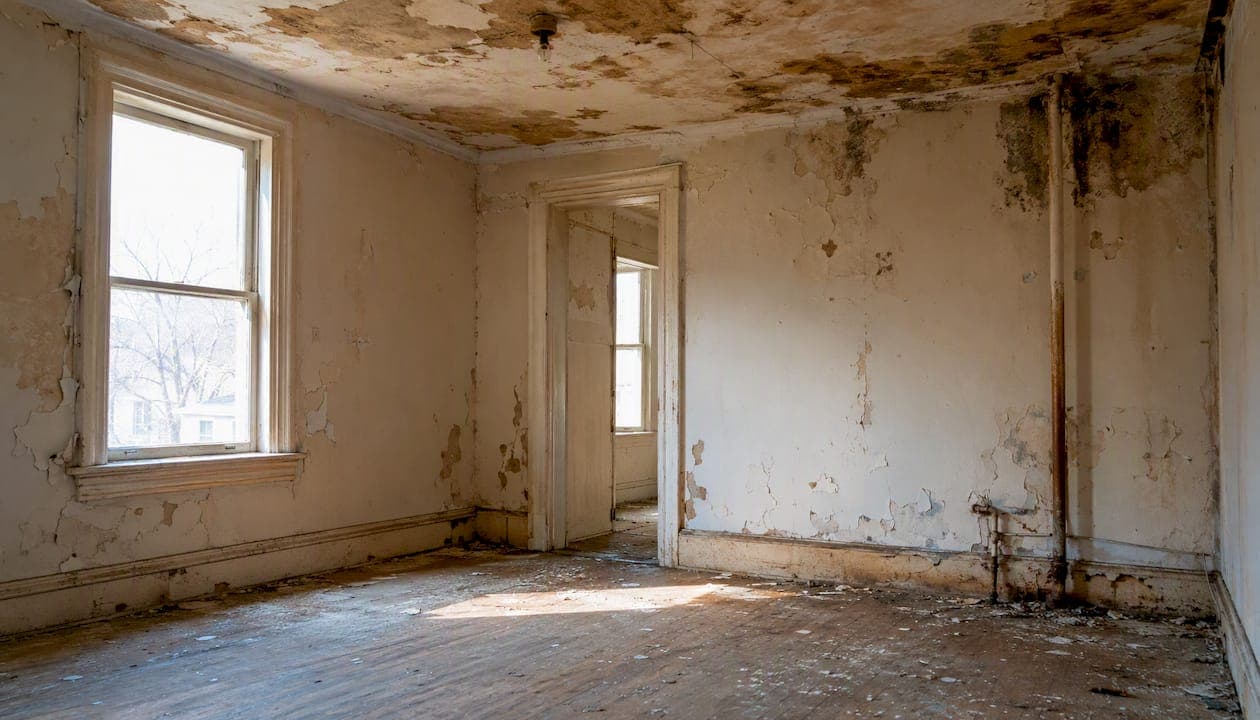
Houses are not built to sit empty. They’re built to be lived in, and small malfunctions that a resident would catch in a day can run undetected in a vacant home for weeks. A slow leak under a sink becomes a mold problem behind drywall. HVAC systems that never cycle develop compressor issues. Plumbing traps dry out and let sewer gas back into the house. Pests move in undisturbed, and gutters clogged with leaves send water straight into the foundation.
The damage scales with time. At three months, you’re usually looking at cosmetic neglect: overgrown yards, dust, minor pest activity. By 12 months, mechanical systems start failing outright, and roof or gutter issues have often become water intrusion. Past 36 months, structural repairs, full HVAC replacement, and mold remediation frequently dominate the repair estimate. The line items don’t grow evenly. Roofing and moisture damage tend to become the largest cost category the longer a home sits empty.
- Unnoticed leaks that turn into mold and structural repair bills
- HVAC and plumbing failures from long stretches of inactivity
- Freeze and thaw cycles that crack pipes and foundations
- Pest infestations that go unchecked for months
- Roof and gutter neglect that leads to water intrusion
Why Vacant Homes Sell for Less and Take Longer to Sell
Buyers read an empty house differently than a lived-in one, and that perception shows up directly in the offer. Empty rooms are harder to picture as a family space, echo makes minor sounds seem worse, and buyers often assume a vacant listing signals a distressed or motivated seller, which invites lower opening offers. Redfin’s economists have pointed out that part of the discount reflects seller behavior itself: an owner who can afford to leave a house empty is often less aggressive about chasing top dollar, which buyers sense and exploit at the negotiating table.
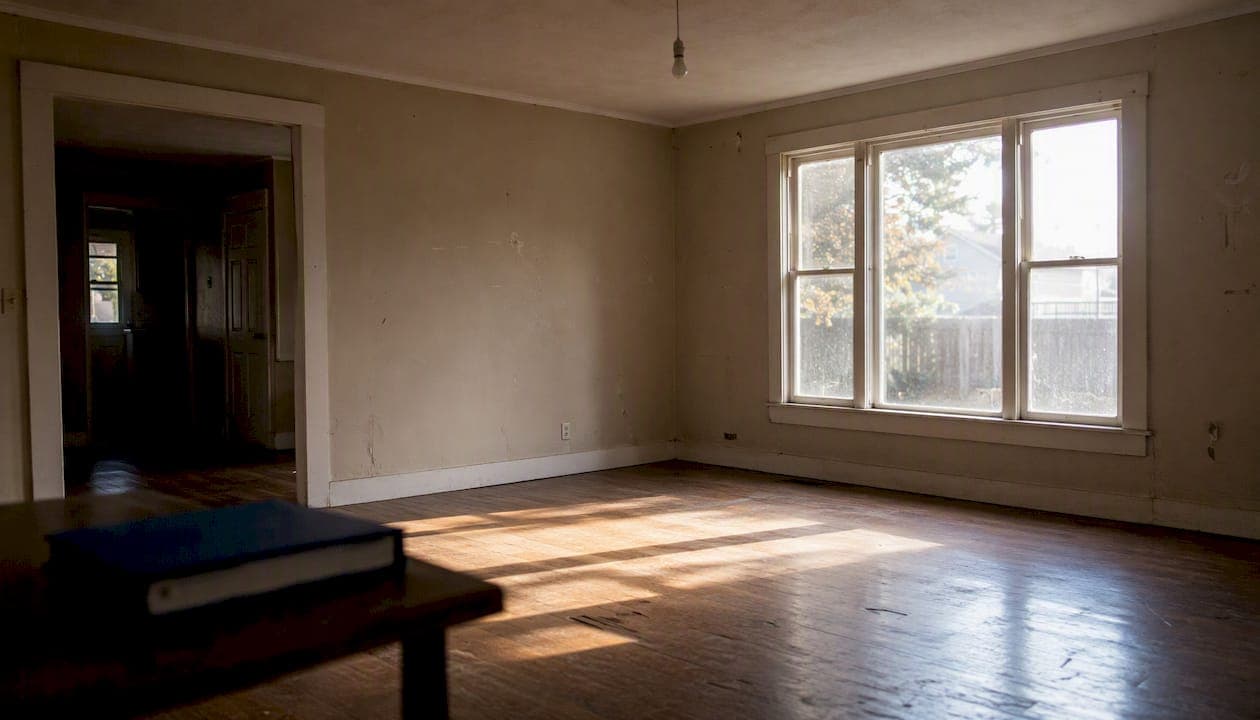
That $11,306 national average discount isn’t uniform. In metros like Omaha and Greenville, the gap has reached about 7.2 percent of sale price, and vacant homes there sit noticeably longer before closing. Inspections tend to be harsher too. A home without lived-in wear patterns and daily use often reveals deferred maintenance during inspection that a seller hadn’t tracked, and buyers use that leverage to demand credits or walk. Traditional staging can offset some of this, but it adds cost and time that many vacant-home sellers are trying to avoid in the first place, which is worth weighing against how competitive bidding can push offers higher without a staging investment.
Security Risks, Code Enforcement, and Municipal Costs That Compound Value Loss
An empty house is a target, and the risks stack up quickly. Vandalism and copper theft are common enough that insurers flag vacant properties as higher risk. Squatters can occupy a home in weeks, and removing them often requires a legal process, not a phone call. Arson risk rises, and insurance carriers sometimes deny claims outright if a policy wasn’t updated to reflect vacancy status.
Cities respond with their own enforcement machinery: code violation fines, mandatory boarding of windows and doors, and eventually demolition orders if a property is deemed a hazard. These aren’t abstract costs. They attach to the property, complicate title transfers, and scare off buyers who run a title search and see open liens or citations.
- Vandalism, theft, and arson risk that rises the longer a home sits empty
- Squatters, who can be difficult and slow to remove once established
- Code enforcement fines, boarding orders, and potential demolition liens
- Insurance claim denials tied to undisclosed vacancy status
Pro Tip: Update your insurance policy to reflect vacancy status immediately, install visible security cameras, and ask a neighbor or property manager to do a weekly drive-by. Cheap prevention beats expensive code citations.
What the Evidence Quantifies: Price Discounts, Spillover, and Municipal Costs
The numbers behind vacancy losses come from a mix of real estate data and municipal accounting, and together they paint a consistent picture: vacancy costs the owner directly and the neighborhood collectively. Toledo’s experience is a useful case study. City officials there estimated vacant properties cost the city about $9.2 million a year in direct expenses while dragging down surrounding property values by an estimated $98.7 million.
Academic work backs this up at the parcel level. A Federal Reserve Bank of Cleveland working paper using Cuyahoga County data found each additional vacant or tax-delinquent property within 500 feet reduces nearby sale prices by 1 to 2.7 percent, with effects growing sharper in some poverty contexts. In more severe cases, the Lincoln Institute has documented nearby value declines reaching 20 percent where vacancy becomes concentrated and self-reinforcing.
| Data Point | Figure | Source |
|---|---|---|
| National average vacant-home discount | $11,306 lower sale price, 6 more days on market | Redfin |
| Baltimore annual vacancy-related costs | ~$100 million per year | Johns Hopkins 21CC |
| Toledo lost surrounding property value | ~$98.7 million | Community Progress |
| Nearby sale price impact per distressed property | 1% to 2.7% reduction within 500 feet | Cleveland Fed working paper |
| Severe-case nearby value decline | Up to 20% in concentrated vacancy | Lincoln Institute |
If you own a home on a block where vacancy is rising, that spillover math applies to you even if your own house is occupied and well maintained.
Practical Checklist: What Owners Can Do Now to Slow or Stop Value Loss
You don’t need to accept the full weight of these losses. A short list of consistent actions limits most of the damage:
- Set a monthly maintenance check: inspect for leaks, test HVAC operation, and check the roof and gutters.
- Winterize properly if the home will sit empty through cold months, including insulating exposed pipes.
- Keep minimal utilities running, particularly heat, to prevent freeze damage even if the home is unoccupied.
- Maintain the exterior on a schedule: mow, clear snow, and keep the property looking expensive and well cared for.
- Add visible security measures and update your insurance to reflect vacancy status.
- Consider light staging or virtual staging if listing traditionally, since property condition directly shapes buyer offers.
Run the numbers before deciding whether to repair and list or sell as-is. If monthly carrying costs outpace likely appreciation and the repair list is growing, a fast as-is sale often preserves more value than months of continued holding. Selling as-is removes the repair budget, the staging cost, and the multi-week listing exposure entirely, which matters most when the clock is already working against you. A clear as-is sale checklist can help you compare that path against continued ownership.
Pro Tip: If your repair estimate exceeds three months of carrying costs, stop treating “fix it up first” as the default. Run the as-is sale number before committing to renovation.
Author Perspective: When Vacancy Becomes a Clear Loss
Vacancy rarely destroys value on day one. The real damage tends to show up around the three-to-six-month mark, once deferred maintenance compounds and neighbors notice the lawn. Neighborhood-level research suggests vacancy rates above roughly 4 percent start tipping a block toward broader decline, which means your holding decision isn’t just personal. It’s timed against your street. Run the carry-versus-sell math honestly, and don’t assume staging beats a clean cash sale once repair costs start climbing.
If You Need to Avoid Further Loss Quickly: An As-Is Cash Sale Option
Housegoodbye exists for exactly the moment this article describes: when carrying costs, deterioration risk, and market stigma are working against you faster than a traditional listing can respond. Instead of one buyer’s opinion of your home’s value, Housegoodbye connects you with multiple vetted local investors who compete for your property, as-is, with no repairs, no staging, and no agent commissions to negotiate around.

That competitive bidding structure tends to push offers higher than a single lowball cash buyer would offer, and closings can happen in as few as seven days. If your Michigan property is sitting vacant right now and the carrying costs are outpacing any realistic appreciation, compare real offers through Housegoodbye’s cash home buyer network and see what investors are actually willing to pay before another month of taxes, insurance, and deterioration eats into your equity.
Sources
- Redfin: Vacant homes fetch less money and take longer to sell (PR Newswire summary of Redfin analysis)
- The costs of Baltimore’s vacant housing (Johns Hopkins ‘21CC’ research summary / report)
- The empty house next door: understanding and reducing vacancy and abandonment (Lincoln Institute report)
- The costs of vacant and blighted properties (Center for Community Progress / Community Progress report)
FAQ
Do Unoccupied Homes Sell Faster?
No. Vacant homes typically take about six days longer to sell than occupied comparables, according to Redfin’s national analysis, largely because buyers perceive more risk and negotiate harder.
What Decreases Property Value the Most?
Prolonged vacancy is one of the sharpest drivers, since it combines physical deterioration, market stigma, and neighborhood spillover effects that can lower nearby home values by 1 to 2.7 percent per distressed property.
Why Do Vacant Houses Fall Apart So Quickly?
Without daily use, small issues like leaks, pest entry, and HVAC inactivity go unnoticed for months, and each one compounds into a larger, costlier repair the longer the home sits empty.
Is There a Housing Market Crash Expected in 2026?
There’s no reliable data supporting a prediction of a nationwide market crash; vacancy-driven losses documented in this article are localized and property-specific rather than signs of a broader market collapse.
What’s the Fastest Way to Stop Losing Money on a Vacant Home?
Selling as-is through a service like Housegoodbye eliminates ongoing carrying costs and repair risk by closing in as few as seven days, compared to months of continued holding costs and deterioration.