Open houses rarely sell homes. Only 3%–7% of buyers find the property they actually purchase through an open house, and the conversion rate from visitor to buyer on that specific listing is, by most industry accounts, essentially zero. Yet sellers still spend money, time, and personal energy hosting them. The financial impact of open houses on sellers is real, and most of it is hidden in the details.
Here is what sellers typically pay for, directly or indirectly:
- Staging costs: Furniture rental, décor, and professional staging consultations, usually paid by the seller
- Deep cleaning: Professional cleaning services before each event
- Utility increases: Running the heat or air conditioning at show-ready levels for hours
- Landscaping and curb appeal: Last-minute yard work and exterior touch-ups
- Personal time: Hours spent preparing, vacating the home, and managing pets or children
- Security losses: Theft of jewelry, electronics, medications, or personal documents during the event
- Opportunity costs: Time that could have gone toward targeted marketing or private showings with pre-qualified buyers
The conversion reality: NAR data shows only 3%–7% of buyers find their home through an open house. The actual conversion of attendees to buyers for that specific property is near zero.
Agents typically cover signs, flyers, and refreshments. The rest lands on you.
What are the real pros and cons of open houses for sellers?
Open houses do offer some genuine upsides, but they come with tradeoffs that sellers rarely hear about upfront.
The case for open houses
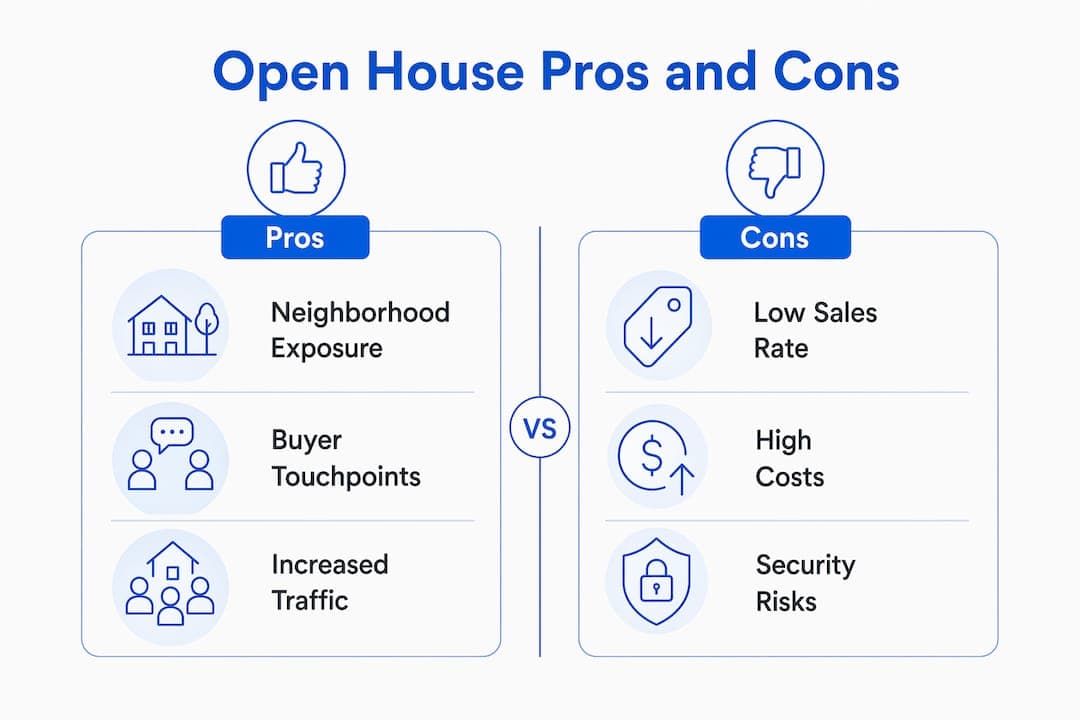
Increased neighborhood exposure is the most honest argument in favor of them. An open house can draw foot traffic from buyers who are actively looking in the area but have not yet seen your listing online. There is also a psychological element: a well-attended open house can create a sense of competition among buyers, which occasionally nudges offers higher.
For sellers in slower markets, open houses provide one more touchpoint for buyers who need to see a home in person before committing. Some buyers genuinely prefer walking through a property without the pressure of a scheduled private showing.
The case against them
The data on open houses is not kind. Most visitors are neighbors, casual browsers, or investors scoping the market. There is no pre-screening, so anyone can walk through your home regardless of whether they are financially qualified to buy it.
Open houses are primarily a lead generation tool for agents, not a reliable sales channel for sellers. Every sign-in sheet is a lead capture form. The agent collects names, phone numbers, and emails from visitors who may have zero interest in your property but are potential future clients for the agent’s business. You are funding that prospecting effort with your time, your home, and your inconvenience.
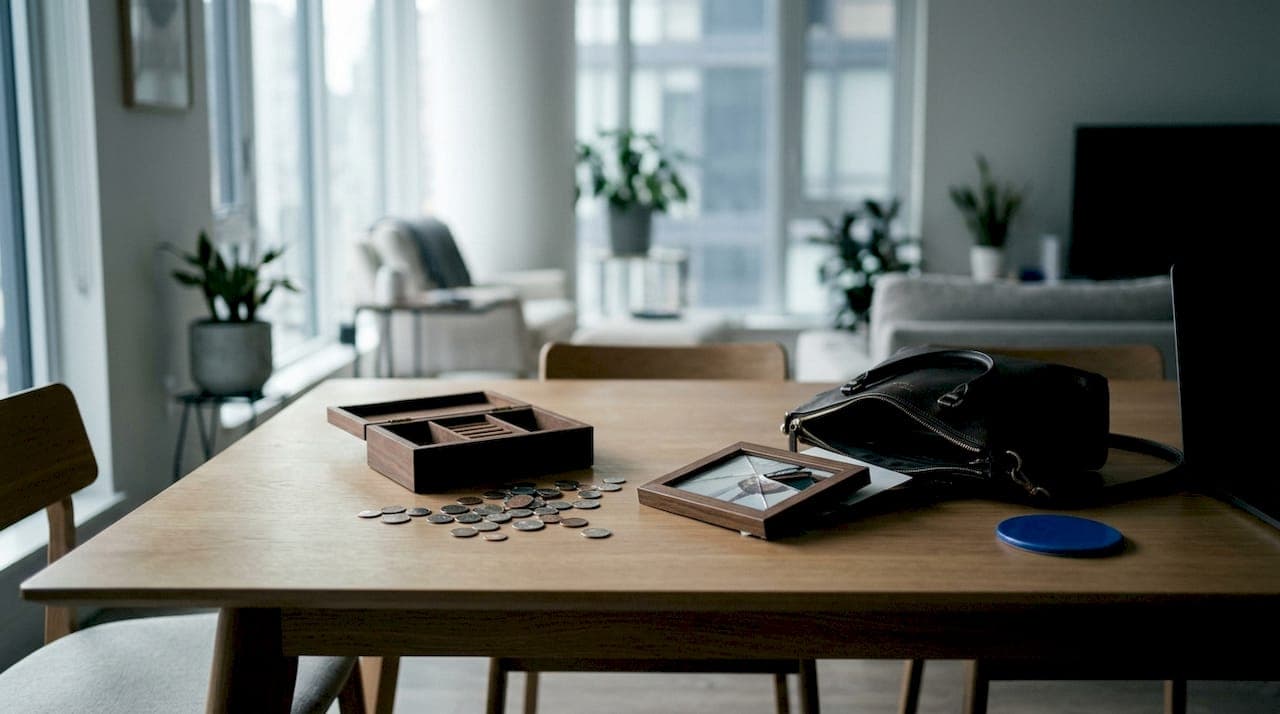
Security is the other major concern. Theft and property damage during open houses are documented risks. Strangers walk freely through every room, including bedrooms, bathrooms, and home offices where personal documents, medications, and valuables are often stored. One widely reported Southern California incident involved over $150,000 in valuables stolen during a single open house event.
Pro Tip: Before any open house, remove or lock away prescription medications, financial documents, jewelry, and small electronics. These are the most commonly targeted items.
Public exposure can also undercut exclusivity, particularly for higher-priced homes. Luxury properties shown in open house format signal availability in a way that can soften buyer urgency and, in some cases, reduce the final sale price.
- Pros: Neighborhood exposure, potential for competitive buyer interest, in-person experience for undecided buyers
- Cons: Near-zero conversion rate, unqualified visitors, theft risk, agent lead generation at seller expense, reduced exclusivity, significant personal inconvenience
Who actually pays for open house costs?
The short answer: agents pay for the visible stuff, and sellers pay for everything else.
Agents typically cover event materials like directional signs, printed flyers, and light refreshments. These are the costs buyers and neighbors see. What sellers absorb is a longer and more expensive list.
| Expense | Who Typically Pays | Notes |
|---|---|---|
| Directional signs and yard signs | Agent | Standard marketing material |
| Printed flyers and brochures | Agent | Part of listing marketing budget |
| Refreshments and snacks | Agent | Optional but common |
| Professional staging | Seller | Major cost; often required for competitive listings |
| Deep cleaning services | Seller | Before each showing or event |
| Utility increases (heat/AC) | Seller | Running systems at show-ready levels for hours |
| Landscaping and curb appeal | Seller | Exterior prep before each event |
| Personal time and lost wages | Seller | Hours spent preparing and vacating |
| Security losses from theft | Seller | Not covered by agent; may affect homeowner insurance |
| Lockbox or security upgrades | Seller | Sometimes required for access management |
Staging deserves its own mention. Staged homes sell faster and for higher prices than unstaged ones, which is the argument agents use to justify the cost. But staging is almost always a seller expense, and it is not cheap. Professional staging for a full home can run into thousands of dollars depending on the market and the size of the property.
The indirect costs sellers absorb include higher utility bills, cleaning supplies, and the personal time spent keeping the home in show-ready condition across multiple events. If you host three or four open houses before finding a buyer, those costs compound quickly.
There is also a legal layer worth knowing. Under RESPA (the Real Estate Settlement Procedures Act), certain arrangements where agents or third parties pay for seller services in exchange for referrals can create compliance issues. Most standard open house cost-sharing between agents and sellers is straightforward, but sellers should ask their agent to clarify in writing who covers what before the first event.
Pro Tip: Ask your agent for a written cost breakdown before agreeing to an open house. Knowing exactly which expenses fall to you prevents surprises after the fact.
You can find a broader breakdown of hidden seller expenses that go beyond open houses in Housegoodbye’s guide to real estate fees.
What alternatives to open houses actually work for sellers?
Sellers who skip open houses and redirect that energy toward targeted marketing consistently get better results. Here is what works.
Virtual tours and 3D walkthroughs let serious buyers explore the property on their own time without requiring you to vacate your home or pay for repeated cleanings. A quality virtual tour reaches buyers across the country, not just the neighborhood. It also filters out casual browsers: someone who books a private showing after completing a virtual tour is far more likely to make an offer.
Professional photography is one of the highest-ROI investments a seller can make. Listings with professional photos attract more online views, which is where the majority of buyers now start their search. The cost is modest compared to staging an entire home for a public event.
Targeted online marketing through MLS listings, social media ads, and real estate platforms puts your property in front of buyers who are actively searching in your price range and zip code. This is a far more efficient use of marketing dollars than hoping the right buyer walks through an open house on a Sunday afternoon.
Private showings with pre-qualified buyers are the gold standard. A buyer who has been pre-approved by a lender and scheduled a dedicated showing is orders of magnitude more likely to make an offer than a random open house visitor. You also control access, which eliminates most of the security risk.
- Virtual tours reach buyers beyond the immediate neighborhood
- Professional photography drives more online engagement at lower cost than staging
- Targeted digital ads put listings in front of buyers actively searching your price range
- Private showings filter out unqualified visitors before they enter your home
- Agent-to-agent networking surfaces buyers who are already working with a professional
For sellers who want to understand how competitive bidding can increase sale price without the open house model, that dynamic is worth exploring before you commit to a traditional listing strategy.
A real estate consultant can help you map out which combination of these alternatives fits your market, timeline, and budget before you spend a dollar on staging.
How cash home buyers eliminate open house costs entirely
Cash home buyers cut the entire open house equation out of the picture. No staging, no cleaning crews, no utility spikes, no strangers walking through your bedroom on a Sunday.
The process is direct: you submit your property details, receive competing cash offers from investors, and choose the one that works for you. There are no public events, no repeated showings, and no weeks of keeping the home in show-ready condition. For sellers dealing with financial pressure, a job relocation, or a property that needs work, this model removes the friction that makes traditional selling so expensive and exhausting.
Housegoodbye.com runs a competitive bidding process where multiple investors submit offers on your property. That competition is what drives the price up, not foot traffic at an open house. Sellers avoid agent commissions, repair costs, and the full list of open house expenses, while still getting a market-competitive offer.
Key financial advantages for sellers who go the cash route:
- No staging costs: Sell the home as-is, without furniture rentals or décor investments
- No cleaning expenses: No need to maintain show-ready condition over weeks or months
- No utility increases: No extended heating or cooling for public events
- No security risk: No strangers walking through your home
- No agent commissions: Eliminates the standard 5%–6% commission on the sale price
- Faster closing: Housegoodbye can close in as little as seven days, stopping carrying costs immediately
- No repair obligations: Properties sell as-is, so there are no pre-sale renovation expenses
The carrying costs of holding a home while waiting for the right open house buyer add up fast. Mortgage payments, property taxes, insurance, and utilities continue every month the home sits on the market. A fast cash sale eliminates that clock entirely.
Sellers who want to skip the traditional process can compare real cash offers and see what the Housegoodbye bidding model looks like for their specific property.
Key Takeaways
Open houses cost sellers money primarily because their conversion rate is near zero, while the preparation, security, and time expenses are real and recurring.
| Point | Details |
|---|---|
| Low conversion rate | Only 3%–7% of buyers find their home through an open house, per NAR 2025 data, and conversion of attendees to buyers for the specific property is essentially zero. |
| Sellers pay the hidden costs | Staging, cleaning, utilities, and security losses fall to the seller, not the agent. |
| Agents benefit more than sellers | Open houses are lead generation events for agents, not reliable sales tools for sellers. |
| Alternatives outperform open houses | Virtual tours, professional photography, and private showings deliver better ROI with less risk. |
| Cash sales eliminate the costs entirely | Selling to a cash buyer removes staging, showings, commissions, and carrying costs from the equation. |
FAQ
Do sellers pay for open houses?
Agents typically cover signs, flyers, and refreshments, but sellers pay for staging, cleaning, utility increases, and the time and security risks involved. The opportunity costs sellers absorb are often larger than the visible event expenses agents cover.
Why don’t many real estate agents recommend open houses?
Experienced agents know that open houses primarily generate buyer leads for the agent rather than offers on the specific property. Most homes sell through online marketing, agent networking, and private showings, not public events.
Do open houses actually help sell homes?
Rarely. NAR data shows only 3%–7% of buyers find their home through an open house, and the conversion rate of attendees to actual buyers for that property is virtually zero. Online listings and private showings with pre-qualified buyers are far more effective.
What are the biggest financial risks of open houses for sellers?
Theft and property damage are the most underestimated risks. Beyond security, sellers face recurring costs for staging, cleaning, and utilities across multiple events, plus the opportunity cost of time spent preparing rather than pursuing more targeted marketing.
Is selling to a cash buyer better than hosting open houses?
For sellers who want to avoid open house expenses entirely, a cash sale removes staging, showings, agent commissions, and carrying costs from the equation. Housegoodbye’s competitive bidding process brings multiple investor offers to the table, which drives price up without requiring a single public event.