TL;DR:
- Inspection negotiations often cause sellers to lose thousands of dollars through inflated repair requests and concessions.
- Pre-listing inspections and obtaining multiple contractor quotes help sellers save money and close deals faster.
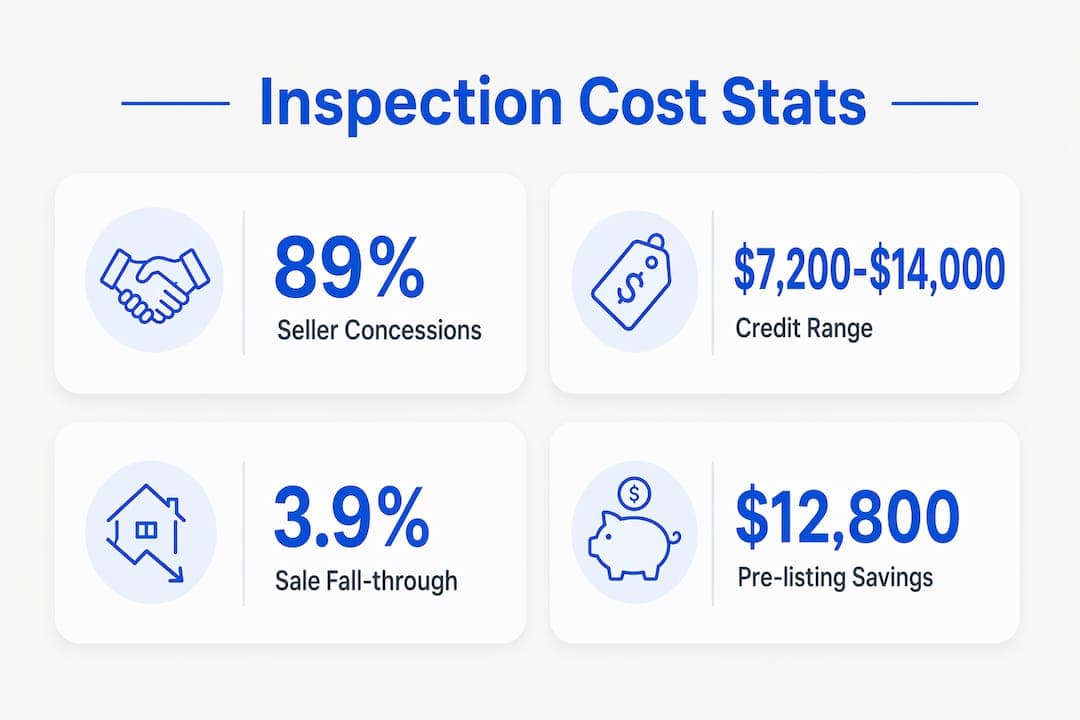
Inspection negotiations cost sellers real money. 89% of home sellers make at least one post-inspection concession, with typical credit amounts ranging from $7,200 to $14,000 depending on market conditions. That figure represents a direct reduction in your net proceeds, not a hypothetical risk. The industry term for this process is “post-inspection concession negotiation,” and understanding how it works is the first step toward protecting your bottom line. Sellers who go in unprepared routinely give up thousands of dollars they did not have to.
How inspection negotiations cost sellers through credits and repair demands
The mechanics are straightforward. A buyer’s inspector finds issues, the buyer submits a repair request list, and you must respond. Your options are to fix the items, offer a closing cost credit, reduce the sale price, or refuse and risk losing the deal.

Most buyers choose credits over repairs because cash is flexible. Lenders often cap seller-paid closing cost credits between 3% and 6% of the sale price, depending on the loan type and the buyer’s down payment. Exceeding those caps can stall a deal at the last minute and force renegotiation. That is a detail many sellers learn too late.
The most expensive buyer tactic is inflating repair estimates. Buyers inflate credit requests by 100% to 233% above actual contractor costs. That means a $2,000 plumbing fix can show up on a buyer’s request as a $4,600 credit demand. Sellers who accept without verifying pay a significant premium for their passivity.
Common repair categories that drive the highest concession demands include:
- Major systems: HVAC replacement, electrical panel upgrades, water heater failures
- Structural issues: foundation cracks, roof damage, sewer line failures
- Safety items: radon levels above EPA thresholds, carbon monoxide risks, faulty wiring
- Minor but visible defects: broken fixtures, damaged gutters, peeling paint near wood surfaces
Pro Tip: Get your own repair estimates before responding to any buyer request. Independent quotes give you a factual basis to counter inflated demands and show the buyer you are negotiating in good faith.
Approximately 3.9% of real estate sales fall through after a home inspection due to repair disputes or buyer walkaways. That number seems small until it is your deal. The financial implications of inspections go beyond the credit amount. A collapsed deal means relisting, carrying costs, and starting over.
Does a pre-listing inspection actually save sellers money?
The short answer is yes, and the numbers are clear. Sellers who complete a pre-listing inspection and targeted repairs save an average of $12,800 in avoided inflated post-inspection credits and close deals 12 to 18 days faster. A pre-listing inspection costs $300 to $600. The math strongly favors preparation.
The reason pre-listing inspections work is leverage. When you already know what is wrong and have fixed the major items, buyers have far less ammunition. They cannot use unknown defects to demand inflated credits because you have already disclosed and addressed the issues. Buyer confidence rises, and negotiation periods shorten.
| Approach | Typical cost to seller | Time to close |
|---|---|---|
| No pre-listing inspection | $7,200–$14,000 in concessions | Standard or longer |
| Pre-listing inspection with targeted repairs | $300–$600 upfront, avg. $12,800 saved | 12–18 days faster |
Pre-listing repairs also protect you from the most damaging buyer tactic: the “ask high, negotiate down” strategy. When buyers know you have no inspection data of your own, they submit inflated lists and wait for you to blink. A pre-listing report shifts that dynamic entirely. You walk into negotiations with facts, not uncertainty.
Pro Tip: Focus pre-listing repairs on safety and structural items first. Cosmetic fixes matter less than resolving issues that could trigger lender requirements or buyer walkaways.
Sellers who want to understand the full range of hidden real estate fees often find that inspection-related costs rank among the largest and least anticipated line items in a transaction.
How can sellers handle repair requests and minimize costs?
Controlling the cost of repair negotiations after an inspection requires a clear process. Reacting emotionally or accepting requests without verification is where sellers lose the most money.
-
Separate safety issues from cosmetic ones. Safety and structural defects are deal-critical. Cosmetic items are negotiable. Treat them differently from the start. Buyers have more legal and moral standing on safety issues, so prioritize those and push back firmly on cosmetic requests.
-
Get three independent contractor quotes. Sellers who obtain three independent quotes can cut requested credits by 30% to 50% during negotiations. Quotes from licensed contractors are factual evidence. They replace the buyer’s inflated estimate with a real number.
-
Choose credits over repairs when possible. Offering a closing cost credit caps your financial liability and avoids the risk of mid-transaction repairs uncovering deeper problems. Repairs done quickly under pressure are rarely done well, and poor workmanship can create new disclosure obligations.
-
Avoid DIY repairs during the inspection period. Starting DIY repairs during this window is risky. If you discover a deeper issue while fixing a surface problem, you are legally required to disclose it. That disclosure can cost you far more than the original repair request.
-
Present maintenance records and warranties. Documentation such as maintenance records and warranties reduces buyer credit requests by justifying the condition of older but functional components. A 12-year-old HVAC with documented annual service records is a very different negotiating position than one with no history.
-
Use your agent and an attorney. Legal and agent guidance during the inspection period is critical. Sellers benefit from having a professional review every response before it goes to the buyer. One poorly worded reply can create legal exposure or signal weakness in the negotiation.
Real estate investors often apply these same principles when evaluating seller negotiation strategies for properties they acquire, which gives sellers useful insight into how the other side of the table thinks.
What are the biggest cost drivers in inspection negotiations?
Major repairs are where inspection negotiations cost sellers the most. Foundation, HVAC, and sewer line replacements typically cost $3,000 to $15,000 or more per item. Radon mitigation runs $700 to $4,000. These are not minor line items. A single HVAC replacement request can consume the entire concession budget a seller budgeted for closing.
The most common high-cost categories sellers face include:
- Foundation issues: Cracks, settling, or water intrusion. Buyers treat these as deal-breakers and demand full remediation or large credits.
- HVAC systems: Older units near end of life trigger replacement demands even when still functional.
- Sewer line failures: Camera inspections increasingly reveal root intrusion or collapsed lines that cost $3,000 to $10,000 to repair.
- Radon mitigation: Required in many markets when levels exceed EPA guidelines. Mitigation systems cost $700 to $4,000 installed.
- Roof damage: Missing shingles or aging materials prompt full replacement demands from buyers using FHA or VA financing.
The average cost of deferred repairs exceeds $5,600. Sellers who ignore maintenance issues before listing pay that cost at the negotiating table, often at inflated buyer-estimate prices rather than actual contractor rates.
The distinction between safety-critical and cosmetic issues matters enormously here. Foundation cracks and radon levels are safety and structural concerns. Buyers, lenders, and inspectors treat them with urgency. Scuffed baseboards and dated fixtures are cosmetic. Sellers who treat both categories the same way give up money unnecessarily. Prioritize the deal-critical items, disclose them proactively, and hold firm on cosmetic requests.
Sellers dealing with significant structural issues can find specific guidance on selling with foundation problems without absorbing the full cost of repairs before closing.
Key Takeaways
Inspection negotiations reduce seller net proceeds most when sellers enter them unprepared, accept inflated repair estimates, and skip the pre-listing inspection that would have given them control.
| Point | Details |
|---|---|
| Concessions are nearly universal | 89% of sellers make at least one post-inspection concession, averaging $7,200–$14,000. |
| Pre-listing inspections pay off | Sellers save an average of $12,800 and close 12–18 days faster with pre-listing repairs. |
| Counter inflated estimates with quotes | Three independent contractor quotes reduce buyer credit demands by 30%–50%. |
| Credits beat repairs mid-transaction | Closing cost credits cap liability and avoid the legal risks of rushed repairs. |
| Major repairs drive the biggest costs | Foundation, HVAC, and sewer issues each cost $3,000–$15,000 and dominate negotiations. |
What I have learned from watching sellers lose money at the inspection table
Most sellers treat the inspection report like an invoice. They read the list, feel the pressure, and start calculating how much they can afford to give away. That is the wrong frame entirely.
The inspection report is a starting point for a conversation, not a bill. Buyers submit requests knowing they will not get everything. The sellers who protect the most equity are the ones who read the report with a contractor, separate the structural from the superficial, and respond with documented facts rather than anxiety.
The single most expensive mistake I see is sellers who skip the pre-listing inspection to save $400 and then hand over $10,000 in credits three weeks later. The math never works in their favor. Preparation is not just good practice. It is the most direct way to protect your proceeds.
Credits are almost always smarter than repairs during an active transaction. Repairs done under deadline pressure tend to be rushed, and rushed work creates new disclosure obligations. A credit transfers the decision to the buyer and closes the loop cleanly. Sellers who understand this stop treating repair requests as personal attacks and start treating them as financial negotiations with a clear playbook.
The sellers who come out ahead are the ones who document everything, get multiple quotes, and stay calm. Composure is a negotiating asset. Panic is expensive.
— Bryan
Sell without the inspection negotiation headache
Inspection negotiations cost sellers thousands of dollars and weeks of stress. Housegoodbye offers a direct alternative.

Housegoodbye connects sellers with multiple competing cash investors who buy properties as-is, with no repairs required. There are no inspection contingencies, no inflated credit demands, and no mid-transaction surprises. Sellers receive real cash offers quickly, and Housegoodbye guarantees closing in as little as seven days. For sellers who want to skip the negotiation entirely and walk away with a clear number, compare cash offers and see what your home is worth without the repair math.
FAQ
What percentage of sellers make post-inspection concessions?
89% of home sellers make at least one post-inspection concession. Typical credit amounts range from $7,200 to $14,000 depending on the market.
How much can a pre-listing inspection save a seller?
Sellers who complete a pre-listing inspection and targeted repairs save an average of $12,800 in avoided inflated credits and close 12 to 18 days faster than sellers who skip it.
Should sellers offer credits or make repairs after an inspection?
Offering a closing cost credit is usually safer than making repairs mid-transaction. Credits cap your financial exposure and avoid the risk of rushed repairs uncovering new disclosure obligations.
What are the most expensive repairs buyers request after an inspection?
Foundation work, HVAC replacement, sewer line repairs, and radon mitigation are the highest-cost items. Each can run $3,000 to $15,000 or more, making them the primary drivers of seller concession costs.
Can buyers inflate repair estimates during negotiations?
Yes. Buyers commonly inflate repair credit requests by 100% to 233% above actual contractor costs. Sellers who collect three independent quotes can reduce those demands by 30% to 50%.