Some “we buy houses” contacts are legitimate investors, but regulators repeatedly warn about scams built on deed transfers and fake rent-to-own deals. Before anything else, do not sign anything, do not transfer your title, and do not grant power of attorney. Confirm every claim with your mortgage lender or a HUD-approved housing counselor. If you suspect fraud, save every document and report it.
TL;DR:
- Equity skimming and fake rent to own deals can leave you without the deed while keeping the mortgage and its payments legally yours.
- A contract for deed may permit quick eviction and fewer borrower protections; buyers can lose both the home and every payment already made.
- Before accepting an offer, verify funds through a bank or escrow, check county title records, confirm business registration, and call references independently.
- If money has moved, call your bank immediately to request a wire recall, then report the transfer to the FBI’s Internet Crime Complaint Center.
Table of Contents
- How do these scams actually work?
- Which red flags should make you walk away?
- Which contract types cause the biggest losses?
- How can you verify a cash buyer before you trust them?
- What should you do if you have been targeted or scammed?
- How can you sell fast without taking on scam risk?
- Why do we believe multi-offer marketplaces are safer?
- How do you get several cash offers without the pressure?
- FAQ
- Sources
How do these scams actually work?
Different scams share one pattern: you lose control of the deed while the mortgage stays yours. Knowing the models helps you recognize them under any sales pitch.
- Equity skimming: an investor takes title or control, collects rent, and stops paying the mortgage. Equity skimming often ends in foreclosure and the loss of all your equity.
- Foreclosure-relief fraud: someone promises to stop your foreclosure, asks for money up front, or tells you to stop paying your lender. Real help does not work this way, and the FTC lists these signs as classic mortgage-relief scam behavior.
- Fake rent-to-own deals: you are convinced to sign over the deed and stay as a tenant, yet you remain legally responsible for the existing loan, as North Carolina’s attorney general office warns.
- High-pressure wholesaling: mailers, yard signs, and door knocking aim to get a fast, cheap signature. Some wholesalers are honest, but documented abusive cases show how much equity a rushed sale can cost.
The thread connecting all four is urgency. A scammer needs you to act before you check anything.
Which red flags should make you walk away?
Run any approach through this list. One flag is enough reason to stop and verify.
- They ask you to transfer the deed. Once the deed moves, you lose the legal protections of ownership, but the loan usually stays in your name.
- They want money up front. Legitimate foreclosure-relief providers are legally barred from collecting fees before a modification agreement is signed with your lender.
- They tell you to stop paying your mortgage. Missed payments damage your credit and speed up foreclosure, and the buyer may never cover them.
- They guarantee an outcome. No one can promise to stop a foreclosure or secure a loan modification.
- They resist an independent appraisal or attorney review. A buyer with a fair offer has nothing to hide.
- They demand a signature today. Artificial deadlines exist to block your questions.
Pro Tip: Ask for the offer in writing with a reasonable due-diligence window. A genuine buyer will give you time to verify; a scammer will find a reason you cannot wait.
Which contract types cause the biggest losses?
Some contract structures strip away the protections a traditional mortgage gives you. The worst offenders show up again and again in consumer complaints.
A contract for deed, also called a land contract, lets the seller keep the deed until the final payment. The CFPB explains that this can allow quick eviction and fewer borrower protections than a mortgage. Its contract for deed report describes arrangements that often lack traditional foreclosure protections and can end with the buyer losing the home and every payment made.
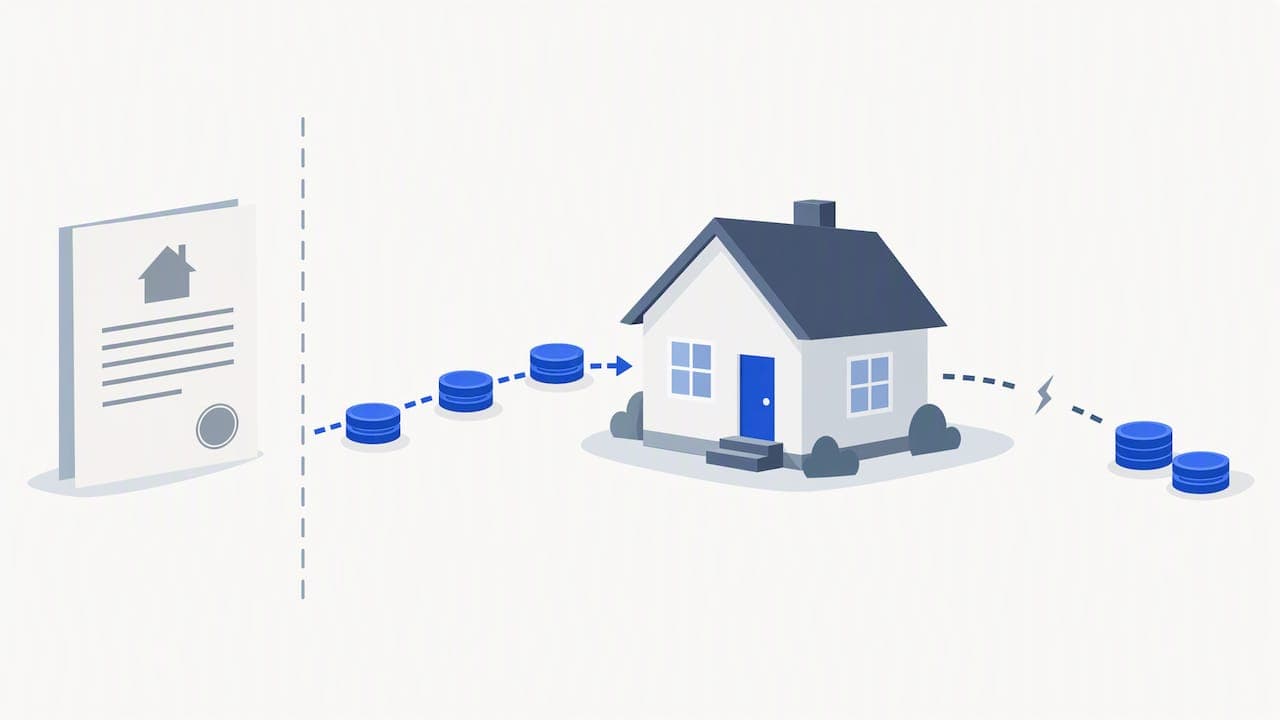
Lease-to-own and rent-to-buy offers are also a common path into equity skimming, since the “tenant” arrangement hides who really controls the property.
Watch for these clauses before you sign anything:
- Balloon payments that come due in one large sum
- “Seller keeps the deed” or similar retention language
- No escrow account for payments or closing funds
- Terms that let the buyer resell the property immediately
- Any request to record nothing in county land records
If a contract for deed is already in place, filing it in land records and speaking with an attorney are recommended defenses.
How can you verify a cash buyer before you trust them?
Verification takes a few days at most, and a real buyer will not mind. Work through these steps in order.
- Ask for bank-verified proof of funds or earnest money held in escrow. A screenshot is not proof.
- Check your county land records and ask for a title commitment, or bring in a title company. You can monitor public records for free, and the FTC notes that paid “title lock” services are not insurance and do not prevent title fraud.
- Confirm the business exists. Look up its registration in your state’s records, then ask for references and actually call them.
- Use a title or closing agent for every dollar and every deed transfer.
- Verify wiring instructions by phone, using a number you found independently, never one from the email.
The National Association of Realtors advises never accepting wiring instructions by email and always confirming payment details by calling a known phone number. A single spoofed email can redirect your sale proceeds to a criminal.
What should you do if you have been targeted or scammed?
Speed matters most, especially when money has moved. Take these steps in this order.
- Call your mortgage servicer first. Do not stop payments based on a third party’s advice. The FHFA warns that scammers may claim government authorization or contact with your servicer, so confirm directly with your lender.
- Contact your bank right away to request a recall of any wire. The FBI’s Internet Crime Complaint Center advises victims to call their originating bank immediately and file a detailed complaint at ic3.gov so its team can work with financial institutions to freeze fraudulent transfers.
- File complaints with your state attorney general and the FTC.
- Preserve everything: contracts, texts, emails, mailers, envelopes, and call logs. Investigators and attorneys will need them.
- Hire an attorney if you signed anything. A consumer-protection or real estate lawyer can advise on fraud-based defenses available where you live.
- Call a HUD-approved housing counselor for free guidance on your lender options. Our guide on negotiating with your lender covers what to ask.
How can you sell fast without taking on scam risk?
Needing a quick sale does not mean you must accept pressure. These steps keep your legal protections intact.
- Close through a licensed title or closing agent with escrow handling all funds and the deed transfer. Never complete a sale outside a closing.
- Choose marketplaces that vet buyers and bring several offers, so no single bidder can pressure you with a lowball number.
- Get the offer in writing with normal closing protections, a due-diligence window, explicit escrow instructions, and a recorded title transfer at closing.
- Talk to your servicer or a HUD-approved counselor before selling if you are behind on payments.
Pro Tip: If a buyer refuses to close through a title company, treat that refusal as your answer.
Why do we believe multi-offer marketplaces are safer?
Most scams depend on isolation: one buyer, one deadline, one signature. Our marketplace works against that by putting competing cash offers from vetted local investors in front of you, so you can compare real terms side by side. Vetting is not a substitute for your own checks, though. Escrow, a title search, and an attorney review still belong in every sale. Weigh speed against protection, and pick the route that keeps a proper closing.
— Bryan
How do you get several cash offers without the pressure?
At HouseGoodbye, you submit basic details about your home and receive competing cash offers from vetted local investors. You can sell as-is, with no repairs, agent commissions, or obligation, and closing timing can vary. You compare the bids and choose, or walk away.

- Start with competing cash offers and see the numbers side by side
- Prefer speed? See how we sell your house fast
- Home needs work? Learn about our as-is sale option
Even with a vetted platform, confirm the escrow and title arrangements before you sign. Submit your property details today and see what your home is worth to competing buyers.
FAQ
Are all “we buy houses” companies scams?
No. Many are real investors who pay less in exchange for speed and convenience. The problem is a smaller group using pressure, deed transfers, and up-front fees. Verify any buyer’s funds, registration, and closing process before you sign.
Is selling your house for cash a good idea?
It can be, when you need speed or your home needs repairs you cannot afford. The tradeoff is that cash buyers may offer less than a full listing would. Comparing multiple offers and closing through a title company helps you keep both speed and protection.
What are the risks of a cash offer on a house?
The main risks are lowball pricing, buyers who cannot prove funds, and fraud around deeds or wires. Reduce them by requiring proof of funds, using escrow, and keeping every term in writing.
What is the best way to find a trustworthy cash home buyer?
Look for buyers who welcome verification, close through a title company, and put offers in writing. Marketplaces that vet buyers and show several competing offers reduce the pressure of dealing with a single bidder.
Sources
- “We Buy Homes” Scams
- How to spot and avoid foreclosure relief scams | Consumer Financial Protection Bureau
- Equity Skimming | Division of Real Estate