
Yes, you can sell a house with code violations in Michigan. Your realistic choices come down to three: fix the problems before listing, negotiate a price credit with a traditional buyer, or sell as-is to a cash buyer who takes the property in its current condition. Which one makes sense depends on how much cash you have on hand, how bad the violations are, and whether your city runs a point-of-sale inspection program that can slow down or block your closing.
Before you pick a path, two legal facts matter more than anything else. First, the Michigan Seller Disclosure Act requires you to hand buyers a completed disclosure statement before they sign a binding purchase agreement, and skipping known problems can let a buyer walk away or sue later. Second, some Michigan cities, including Dearborn, require a pre-sale inspection and Certificate of Occupancy before you can close, and that process runs on its own separate timeline from your real estate deal.
- Fix it first: Best when you have cash reserves, time before you need to move, and violations that are moderate rather than structural.
- Negotiate a credit: Works when a buyer is still willing to finance the deal but wants money off the price to cover the repair cost themselves.
- Sell as-is to a cash buyer: The fastest route when you lack repair funds, face a deadline, or the violations are severe enough to scare off financed buyers.
Pro Tip: Request a written copy of your violation notice from the city before you do anything else. It tells you exactly what an appraiser or inspector will find, and it becomes the foundation for every decision that follows.
Key Takeaways
Selling a Michigan house with code violations is legal and common, but the seller who moves fastest is the one who gets the violation notice, completes disclosure honestly, and picks a sale path that matches their timeline and cash position.
| Point | Details |
|---|---|
| Get your violation notice first | Request the official report from your city before deciding whether to fix, negotiate, or sell as-is. |
| Disclosure timing is not optional | Deliver the Seller Disclosure Statement before a binding purchase agreement or risk buyer termination and fraud claims. |
| Check local Point-of-Sale rules | Cities like Dearborn require a Certificate of Occupancy before closing, with inspection reports valid for one year. |
| Financed buyers are harder to close | Lenders and appraisers routinely flag violations, narrowing your buyer pool to cash purchasers and investors. |
| Housegoodbye offers a documented as-is path | Its Michigan marketplace collects competing investor bids and can close in as little as seven days without repairs. |
Table of Contents
- What Are Code Violations, and What Do Michigan Sellers Commonly See?
- What Does Michigan’s Seller Disclosure Act Require?
- How Do Local Point-of-Sale Rules Affect Your Closing?
- How Do Violations Affect Appraisals, Loans, and Your Buyer Pool?
- Fix, Negotiate, or Sell As-Is: Which Path Fits Your Situation?
- How Do You Decide Which Path Is Right for You?
- What Do Repairs Actually Cost, and How Fast Can You Close?
- How Housegoodbye Handles Michigan Homes With Code Violations
- How Does Selling a Commercial Property With Violations Differ From Residential?
- The Advice Nobody Gives Michigan Sellers Enough
- Sell As-Is With Confidence Through Housegoodbye
- Sources
- FAQ
What Are Code Violations, and What Do Michigan Sellers Commonly See?
A code violation is a documented failure to meet a local building, housing, or safety standard, and Michigan municipalities generally sort them into a few buckets: building code violations (structural or construction defects), housing code violations (livability and maintenance issues), and permit violations (work done without the required permit or inspection sign-off). Technical standards for electrical and fire safety work typically trace back to model codes published by the International Code Council and the National Electrical Code from the National Fire Protection Association, which most Michigan cities adopt into local ordinance.
When a city inspector flags a problem, it usually shows up as a formal notice of violation or an inspection report, sometimes tied to a municipal docket number if enforcement escalates. That paperwork matters because it becomes the record a title company, buyer, or lender will eventually ask to see.
The most common violations Michigan sellers run into include:
- Outdated or unsafe electrical wiring, including knob-and-tube systems or overloaded panels
- Plumbing and sewer defects, from failed drain lines to illegal cross connections
- Roof damage, foundation cracking, or other structural deterioration
- Missing or unsafe handrails and guardrails on stairs and porches
- Unpermitted room conversions, such as a finished basement or converted garage done without permits
- Mold growth, lead paint in pre-1978 homes, or blocked emergency egress windows
As the seller, you have a right to request copies of any inspection reports or violation notices tied to your address. Get them early. A violation that turns out to be cosmetic changes your entire strategy compared to one that is structural or safety related.
What Does Michigan’s Seller Disclosure Act Require?
Michigan’s Seller Disclosure Act, Act 92 of 1993, applies to almost every residential transfer involving one to four dwelling units, which covers the overwhelming majority of Michigan home sales. The law requires you to complete a standardized Seller Disclosure Statement and hand it to the buyer, and the standard it holds you to is what was “known to the seller.” You are not required to hire an inspector or investigate problems you have no reason to know about, but you cannot ignore what you do know.
Timing is where sellers get tripped up. The disclosure has to be delivered before the buyer signs a binding purchase agreement, not after. If you deliver it late, or the buyer discovers something you should have disclosed, Michigan law gives the buyer a window to terminate the agreement. That termination right exists specifically to protect buyers from being locked into a deal they didn’t have full information about when they signed.
The form itself asks you to answer a long list of specific questions with one of four responses: Yes, No, Unknown, or Not Available. You are filling out a factual checklist, not writing a narrative, and vague or evasive answers tend to draw more scrutiny than a straightforward “yes, this has a known issue.”
Here’s what the form typically asks about, and where code violations usually surface:
- Electrical, plumbing, heating, and structural systems
- Roof age, leaks, and past repairs
- Additions or renovations, and whether they were permitted
- Known code violations, citations, or pending municipal action
- Environmental hazards like lead paint, asbestos, or mold
The consequences of getting this wrong are not theoretical. Consumer legal guidance from Nolo is blunt about it: sellers who disclose in good faith are protected, but sellers who knowingly hide a defect can face a lawsuit long after the closing table, sometimes years later, when a buyer finally connects a problem to something the seller should have flagged. A buyer who later proves you knew about a violation and didn’t disclose it isn’t limited to canceling the deal. They can pursue a fraud or misrepresentation claim, and Michigan courts have allowed those claims to proceed when the seller’s knowledge was clear.
When in doubt, disclose. The statutory protection only works if your answers are honest, and “Unknown” is always safer than a false “No.”
How Do Local Point-of-Sale Rules Affect Your Closing?
Beyond state disclosure law, plenty of Michigan cities run their own pre-sale inspection programs, often called Point-of-Sale or Certificate of Occupancy requirements, and these can hold up your closing independent of anything your buyer negotiates. This is where a lot of sellers get blindsided, because these rules live in municipal ordinance, not in the purchase agreement or the disclosure form.
Dearborn is a good example of how strict this can get. The city requires a pre-sale inspection before you can transfer the property, the inspection itself typically takes a moderate amount of time, and any violations found have to be corrected and re-inspected before the city issues a Certificate of Occupancy. The inspection report remains valid for a standard period, often close to a year from the date of inspection, so if your sale drags on, you may need to schedule a reinspection even if nothing new went wrong.
Other cities handle this differently. Detroit and Jackson both run their own versions of a pre-sale review, and the City of Jackson actually allows a sale to proceed while violations are still open, provided the buyer signs an Affidavit of Disclosure acknowledging the outstanding issues and files the required post-sale paperwork. That shifts responsibility for the repairs to the buyer instead of blocking the sale outright, which is a meaningfully different approach than Dearborn’s.
Here’s how to get ahead of this instead of discovering it during closing week:
- Call your city’s building or code enforcement department before you list, not after you get an offer.
- Ask specifically whether your municipality requires a Point-of-Sale inspection or Certificate of Occupancy for residential transfers.
- Request a copy of any existing violation notices tied to the property address.
- Ask about reinspection fees, scheduling windows, and how long a passed report stays valid.
- Confirm whether your city allows an affidavit-based workaround similar to Jackson’s, in case repairs aren’t realistic before your target closing date.
Pro Tip: Municipal inspection departments are usually far less mysterious than sellers assume. A ten-minute phone call to the local building department can tell you exactly what will stop your sale, and it’s free.
How Do Violations Affect Appraisals, Loans, and Your Buyer Pool?
Code violations don’t just create legal paperwork. They actively shrink the pool of people who can buy your house, because conventional lenders and appraisers are trained to flag exactly the kind of problems a violation notice describes. An appraiser working on a conventional or FHA loan is required to note health and safety issues, and things like exposed wiring, missing handrails, active leaks, or an unpermitted structural addition routinely get flagged as conditions that must be resolved before the loan can close.
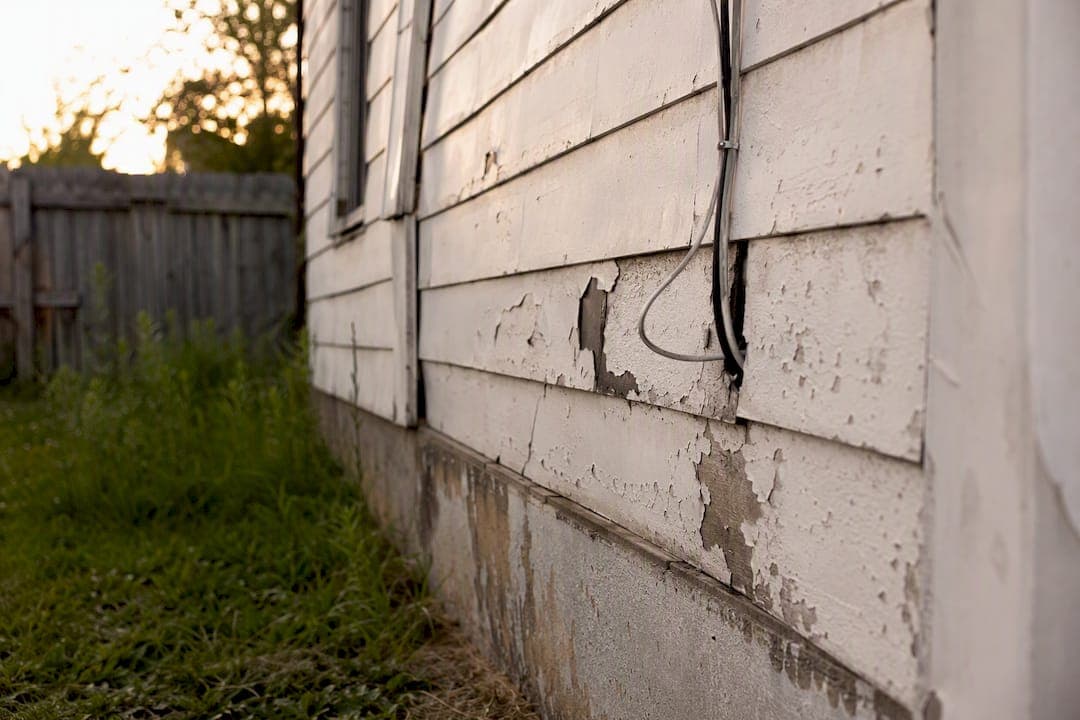
That creates a real financing bottleneck. FHA and USDA loans in particular have minimum property standards that a house with active code violations often fails outright, and even conventional lenders can require repairs as a condition of funding. When that happens, your buyer either backs out, asks for a price reduction to cover the fix, or your deal falls apart at underwriting after you’ve already spent weeks under contract.
Inspection contingencies compound the problem. A buyer’s home inspector will likely catch the same issues a municipal inspector already flagged, and once they’re in writing, the buyer has leverage. They can demand repairs before closing, ask for a credit, or exercise their contingency and walk. This is precisely why houses with unresolved violations tend to attract a narrower, more specific type of buyer.
Cash buyers and real estate investors remain the most reliable buyer pool for properties in this condition, because they typically aren’t relying on a lender’s minimum property standards and they factor repair costs into their offer instead of demanding you fix things first. That’s a fundamentally different transaction structure than a financed sale.
Title and closing can carry their own complications too. If the city has placed a lien for unpaid fines or unresolved code enforcement, a title company will usually flag it during the title search, and most won’t close until the lien is satisfied or addressed in escrow. Unpaid municipal fines can also accrue daily under some local ordinances until the violation is corrected, so a delay you don’t see coming can quietly grow your payoff amount between the day you sign a purchase agreement and the day you actually close.
Fix, Negotiate, or Sell As-Is: Which Path Fits Your Situation?
Once you know what your violations actually are and what your city requires, the decision usually comes down to money and time. Here’s how the three main paths compare.
Option A: Fix it before listing. This is the highest-effort, highest-reward path. Electrical panel upgrades, plumbing repairs, and permit remediation for an unpermitted addition are common fixes sellers tackle, and the payoff is a wider buyer pool and typically a higher sale price, since financed buyers can now qualify. The downside is obvious: you need upfront cash, a contractor you trust, and enough time to get permits pulled, work completed, and a reinspection scheduled, which in cities like Dearborn means waiting for a formal signoff before you can even list with a clear title to close on.
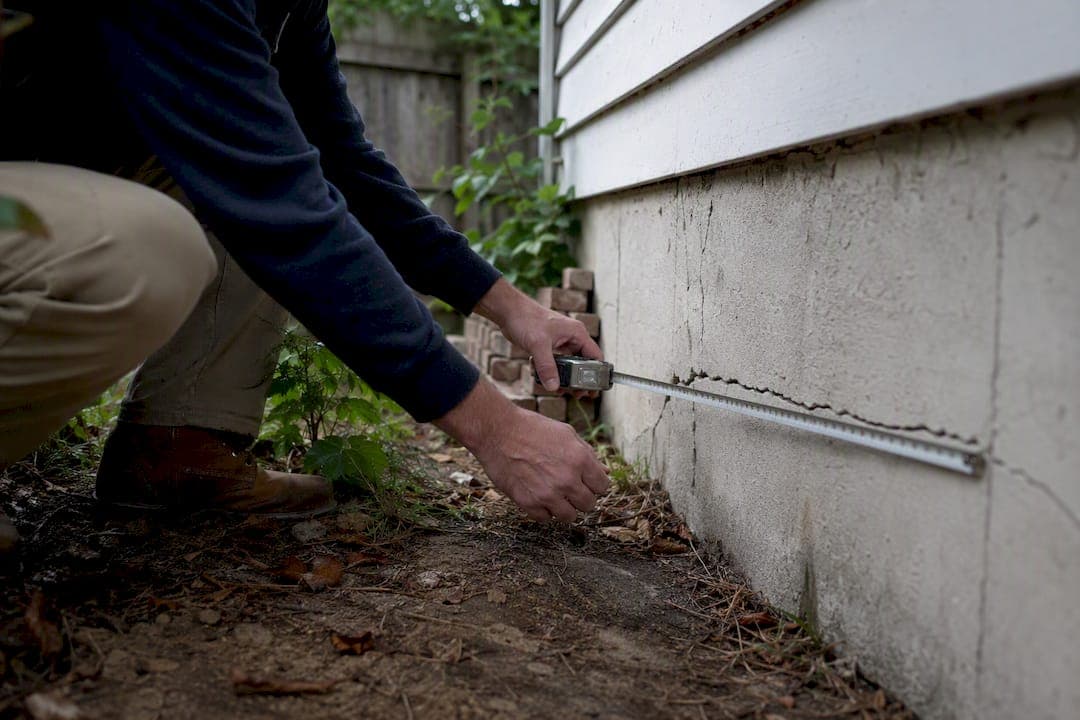
Option B: Negotiate a credit or price reduction. This works when you find a buyer willing to take on the repair themselves in exchange for money off, often structured as a closing credit or an escrow holdback where funds are set aside to cover the fix after closing. The math is straightforward: get a contractor estimate, and that number becomes your negotiating anchor. If a roof repair runs a certain estimated range, you offer that as a credit rather than doing the work yourself. This path is faster than a full renovation but still depends on finding a buyer patient enough to accept a flawed property, and many financed buyers’ lenders won’t allow closing with major safety violations still open, credit or not.
Option C: Sell as-is to a cash buyer or investor. This is the fastest path and the one most sellers underestimate until they’re staring down a deadline. Cash buyers and investors evaluate the property as it sits, factor the repair cost into their offer, and don’t require municipal reinspection or lender approval to close. You lose some of the upside you’d get from a fully repaired listing, but you gain speed, certainty, and zero repair spending. For sellers who need to relocate quickly, are behind on payments, or simply don’t have renovation capital, this route often nets a better outcome than a financed sale that collapses in escrow after weeks of waiting. A platform like Housegoodbye’s code violation sale service exists specifically for this scenario, letting multiple investors bid on the property so you’re not stuck with a single lowball offer.
| Factor | Fix Before Listing | Negotiate Credit | Sell As-Is (Cash) |
|---|---|---|---|
| Speed | Slowest, weeks to months | Moderate, still needs financing approval | Fastest, often days |
| Buyer pool | Widest, includes financed buyers | Narrower, financed buyers with flexibility | Investors and cash buyers |
| Upfront cost to seller | Highest | Low to moderate | None |
| Legal/risk exposure | Lowest once repairs pass inspection | Moderate, disclosure still required | Lowest, buyer accepts condition as-is |
Pro Tip: Get a contractor estimate even if you’re leaning toward selling as-is. That number is your leverage in negotiations and gives cash buyers a credible baseline to work from when they make their offer.
How Do You Decide Which Path Is Right for You?
Start with a simple gut check: how much time do you actually have, and how much cash could you realistically put toward repairs without borrowing? Those two answers alone eliminate one or two of the three options for most sellers.
Run through this decision checklist before you commit to a path:
- Timeframe: Do you need to close within 30 days, or do you have flexibility to wait through repairs and reinspection?
- Available cash: Can you fund repairs without a loan, or would financing the fix eat into your equity?
- Severity of violations: Are you dealing with cosmetic issues, or something structural and safety-related that lenders will flag every time?
- Local Point-of-Sale rules: Does your city require a Certificate of Occupancy before you can transfer title at all?
- Buyer financing likelihood: Is your neighborhood attracting mostly financed buyers, or is it already an investor-heavy market?
When you talk to a contractor, ask specifically about permit remediation timelines, not just the repair itself. Ask your city’s building department about reinspection fees and how long a passed inspection stays valid. Ask a title company whether any liens are attached to the property before you sign anything. And if you’re talking to investors or cash buyers, ask how they price in repair costs and whether their offer is genuinely firm or subject to their own inspection later.
Watch for a few red flags that should push you toward the as-is route rather than repairs: municipal fines that accrue daily and are already stacking up, unresolved permits that could trigger a stop-work order on any future renovation, or a violation notice tied to active litigation. In those situations, the clock is working against you, and an attorney consultation before you sign anything is worth the cost.
What Do Repairs Actually Cost, and How Fast Can You Close?
Repair costs vary widely depending on scope, but sellers generally budget the most for electrical panel upgrades, plumbing repipes, roofing, and foundation work, with permit remediation for unpermitted additions often adding its own separate cost and timeline on top of the physical repair. These are rough planning estimates, not guarantees, and every contractor bid will differ based on your specific house and city.
Timelines diverge even more sharply than costs. Getting two or three contractor bids alone can take a couple of weeks, and that’s before permits are pulled or work begins. Add municipal reinspection into the mix, and a project that seemed like a month-long fix can stretch past two or three months once you factor in scheduling, inspection wait times, and potential daily fines accruing while violations remain open. Compare that to a cash sale, which can close in as little as seven days once you accept an offer.
If you’re leaning toward negotiating a credit instead of doing the work, contractor bids still serve a purpose: bring them to the table as documentation. A written estimate makes your credit request concrete and harder for a buyer or their agent to push back on, whether you’re negotiating with a traditional buyer or presenting your numbers to an investor comparing your property against others in their pipeline.
How Housegoodbye Handles Michigan Homes With Code Violations
Housegoodbye runs a Michigan-focused marketplace where homeowners request offers and multiple vetted local investors bid against each other for the property, rather than negotiating with a single buyer who holds all the leverage. That competitive structure tends to push offers higher than a single lowball bid, and it works specifically because investors are comfortable buying homes exactly as they sit.
What that means in practice:
- You sell as-is, with no repairs, cleaning, staging, or agent commissions required
- Closings can happen in as little as seven days once you accept an offer
- Homes with active code violations, open permits, or municipal notices are accepted, not disqualified
- Getting multiple competing bids typically produces a better outcome than a single take-it-or-leave-it offer
The first practical step for any seller facing a violation notice is simply reading it carefully. Knowing whether the issue is structural, a safety hazard, or a maintenance item changes how lenders, buyers, and even cash investors respond to your property, and it should shape which path you choose before you request a single offer.
Getting started is straightforward:
- Request offers through Housegoodbye’s cash buyer marketplace and provide basic property details.
- Have your violation notices, inspection reports, and Seller Disclosure Statement ready, since investors will want to see the full picture before bidding.
- Compare the competing offers you receive, with no obligation to accept any of them.
- Move through due diligence and closing, typically without a lender-required repair list slowing things down.
Pro Tip: Even when selling as-is, complete your Seller Disclosure Statement honestly. Investors expect it, and it protects you from liability regardless of which path you choose.
If you have the cash reserves and the timeline to complete repairs and chase full market value, that route can still net you more money in the end. Housegoodbye exists for the sellers who don’t have that luxury, or who’ve decided the certainty of a fast, as-is close outweighs the upside of a longer, riskier repair-and-list strategy.
How Does Selling a Commercial Property With Violations Differ From Residential?
Everything above focuses on one to four unit residential properties, which is where Michigan’s Seller Disclosure Act applies directly. Commercial property sales work under a different set of rules entirely, and that distinction matters if you own a mixed-use building, a small apartment complex over four units, or a standalone commercial structure with open violations.
Commercial transactions in Michigan aren’t covered by the standardized Seller Disclosure Statement, so disclosure typically happens through negotiated representations and warranties written directly into the purchase agreement, often after a much more extensive due diligence period than a residential deal allows. Commercial buyers routinely commission property condition assessments and environmental Phase I or Phase II reviews, which go well beyond what a residential home inspector checks, and code violations discovered during that process tend to get negotiated through purchase price adjustments or escrow holdbacks rather than simple credits.
Financing also splits sharply along this line. Commercial lenders apply their own underwriting standards, and they’re often more willing to fund a property with known issues if the numbers still support the investment, especially when the buyer already plans renovation work. That flexibility rarely exists for residential financed buyers, whose lenders follow stricter minimum property standards.
Cash and investor buyers remain active in the commercial violation space too, but expect a longer due diligence runway and more heavily negotiated contract language than a residential as-is sale, where speed and simplicity are usually the whole point.
The Advice Nobody Gives Michigan Sellers Enough
Most guides on this topic treat disclosure as a formality and repairs as the “responsible” choice. That framing misses what actually determines outcomes for Michigan sellers: timing and cash position matter more than moral high ground. A seller who discloses honestly and sells as-is is behaving exactly as responsibly as one who spends three months and thousands of dollars chasing a Certificate of Occupancy, provided the buyer knows what they’re getting.
Where conventional advice really falls short is on municipal Point-of-Sale programs. Sellers assume these only apply to obvious slum conditions, but Dearborn’s 45-minute inspection can catch things as minor as a missing handrail, and that alone can stall a closing for weeks if nobody checked in advance.
Prioritize the violation notice and a call to your building department before anything else. Everything downstream, whether you repair, negotiate, or sell as-is, depends on knowing exactly what you’re dealing with.
— Bryan
Sell As-Is With Confidence Through Housegoodbye
Repairing a house with open code violations can mean months of contractor scheduling and reinspection waits, and negotiating a credit still leaves you tied to a financed buyer’s lender. Housegoodbye gives Michigan sellers a third route: multiple local investors bid directly on your property in its current condition, with no repairs, no staging, and no agent commissions cutting into your proceeds.

That competitive bidding process is the practical advantage over a single-buyer negotiation, where you’re stuck accepting or countering one offer at a time. With Housegoodbye, you compare offers side by side and pick the one that actually works for your timeline, whether that’s a closing in seven days or a few weeks out. The platform accepts homes with active violations, open permits, or pending municipal notices, so you’re not disqualified before you even get a bid.
If you’re ready to see what your property is worth as-is, compare cash offers from vetted Michigan investors and get a clear picture of your options with no obligation to accept.
Sources
- Act 92 of 1993 - Seller Disclosure Act (Michigan) (section 565.957)
- Selling a Home | City of Dearborn
- Selling a Michigan Home: What Are My Disclosure Obligations? (Nolo)
- Selling property | City of Jackson
FAQ
Do Appraisers Look for Code Violations?
Yes. Appraisers working on conventional, FHA, or USDA loans are trained to flag visible health and safety issues, including exposed wiring, structural damage, and missing egress, which can stop a financed sale until repairs are made.
Can You Sell a House That Isn’t Up to Code in Michigan?
Yes, you can sell a house with open code violations in Michigan as long as you complete the required Seller Disclosure Statement before a binding purchase agreement and follow any local municipal inspection rules, such as Dearborn’s Certificate of Occupancy requirement.
Can You Sell a House That Won’t Pass Inspection?
Yes, particularly to cash buyers and investors who evaluate the property as-is and don’t require lender-mandated repairs. A financed buyer’s lender, however, may require the same issues fixed before approving the loan.
How Do You Avoid Costly Surprises When Selling a House With Violations in Michigan?
Request your municipal violation notice early, complete your Seller Disclosure Statement honestly under the “known to seller” standard, and confirm whether your city runs a Point-of-Sale or Certificate of Occupancy program before you accept an offer.
Is Selling to a Cash Buyer Faster Than Fixing Violations First?
Generally yes. Repairs plus municipal reinspection can take weeks to months depending on scope and scheduling, while a cash sale through a platform like Housegoodbye can close in as little as seven days.